
By Selvi Viswanathan
Aspen trees grow all the time even in Winter despite being deciduous trees. Beneath their thin white outer bark layer, there’s a thin green photosynthetic layer that allows the tree to create sugar and grow when other deciduous trees.
Their nickname? “Quakies” because their stem is perpendicular to the leaf, acting as pivot and causing the leaf to twist and flutter, even in the slightest breeze.
Common name: (populus tremuloides)
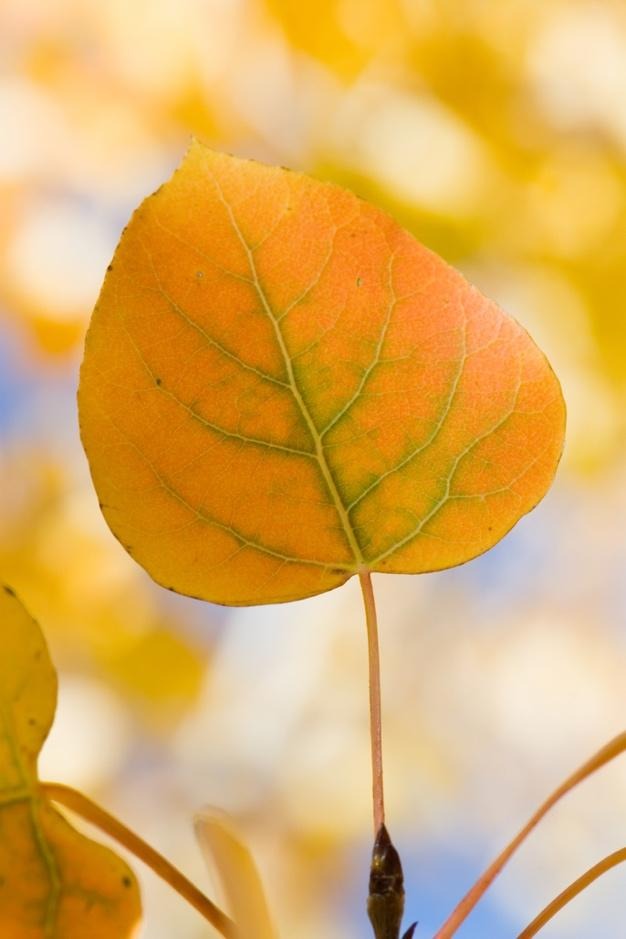
Benefits of the 90-Degrees:
1. Reduces stress: The trembling motion allows the leaves to pivot and protects the tree from damage during high winds.
2. Increases Photosynthesis: The fluttering allows more sunlight to reach the inner leaves and it also enables in turn to photosynthesis more effectively on both sides.
3. Pest Control: The constant erratic movement may help prevent insects from settling on the leaves.
What is special about Aspen Trees?
Aspen trees are special for being massive, interconnected clones. These clonal colonies a strand of Aspens is often one giant organism, a single genetic clone connected by a vast underground root system making one of the world’s oldest and heaviest living things. Aspens grow rapidly producing softwood and abundant sugar making them crucial for easily succession after disturbance like fires.
Los Alamos means “The Aspens.” When we moved into our home on Barranca Mesa in 1985, I wanted to add a few things to our yard, so in 1986 we planted three aspens in the front. Now, nearly 40 years later, those original trees have matured, and we’ve had to manage the saplings that keep popping up. The one right in front of our porch has grown especially beautifully. In the fall, I can see it perfectly from the upstairs window in our prayer room; its golden leaves fill the whole space with a warm, glowing light.
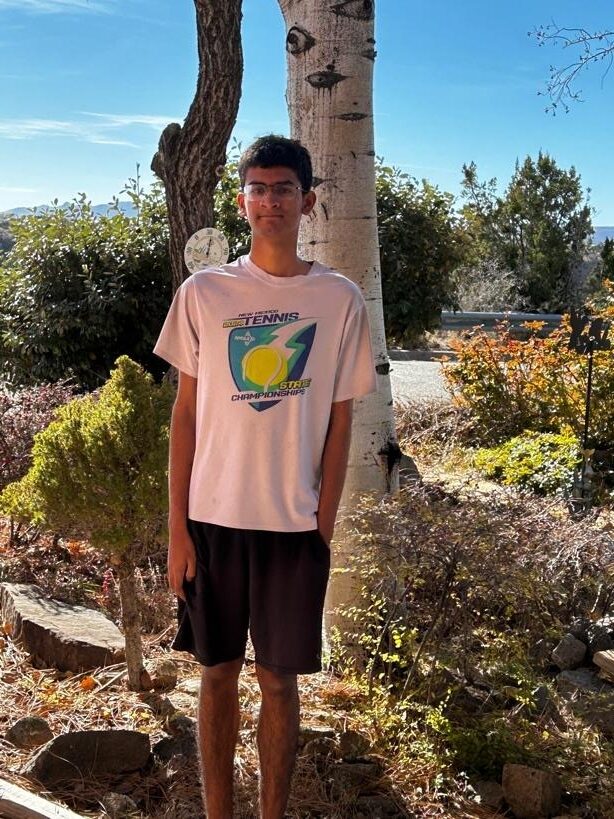
Here’s a picture of our grandson Aditya who is 17 years old and kindly agreed to pose next to our aspens for me!
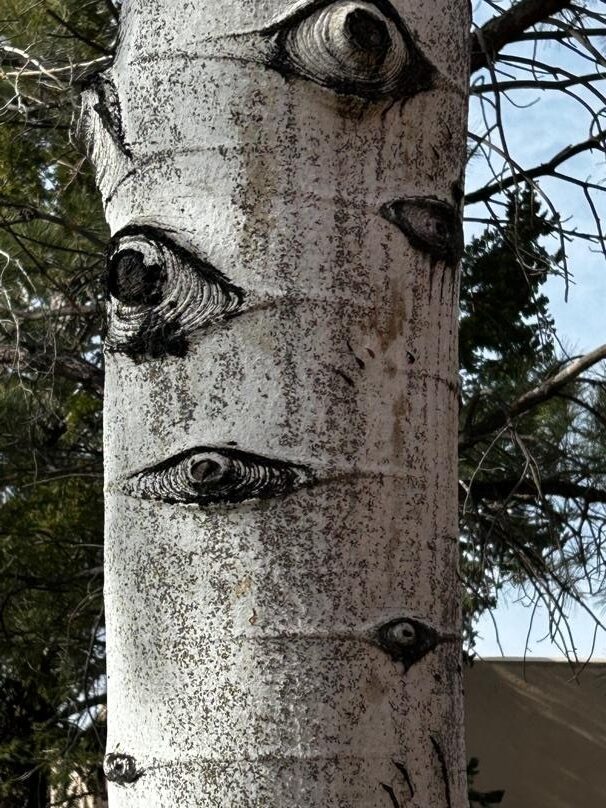
I recently learned that aspens have the remarkable ability to prune themselves. As the tree grows taller and reaches for more sunlight, the lower branches naturally die back and drop off. I’ve started noticing the little twigs collecting beneath ours.
Interesting facts:
1. The name: Aspen is a Greek name, and it means Shield. Symbolic Protection.
2. Aspens can also used as particle board and light construction due to thin light wood.
3. The trees serve wildlife as it provides vital nutrient-rich forage for elk, and deer.
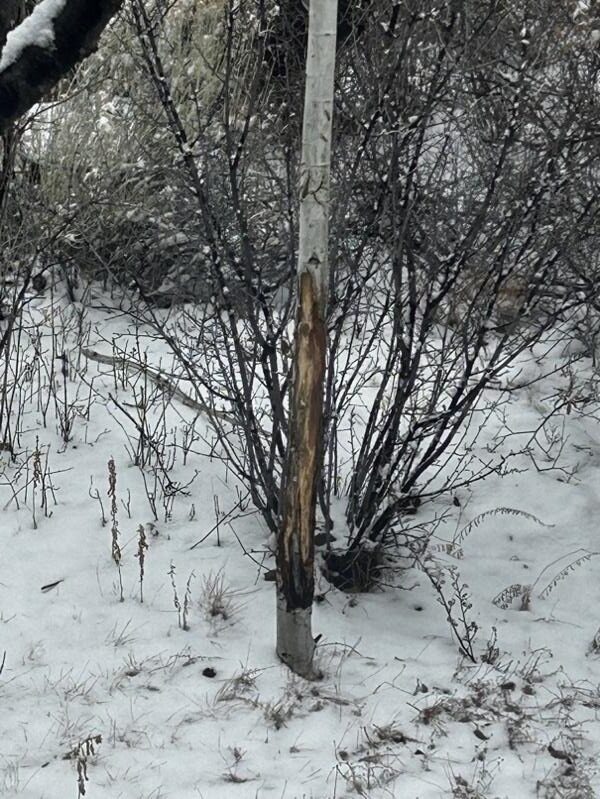
4. Aspens grow rapidly producing soft wood and abundant sugar making them crucial for early succession after disturbance like fires.
5. Popular in landscaping recreating features with beautiful Fall Colors.
6. Aspens can be used to create matches, tongue depressions, paper, and popsicle sticks.
Thank you very much for sharing.
It is very informative and educative article.
I never heard anything about these Aspen trees.Interesting
to see those eyes on the trunk.I appreciate your interest
in gathering every detail about them.Once again thank you .
Lalita
lthamma@gmail.com
Dear Lalita
Thank you for your kind words. You are an artist so thought you will enjoy the Nature how did art work by self pruning look like eyes.
My dear friend, nothing “quakie” about the article. You are a real “Nature’s Daughter.”, because you see butterflies, birds, animals and trees in a different way. Keep it going. In Nature everything is beautiful, but most of us fail to see them as you do. You bring them to our attention. Thoroughly enjoyed the article.
The Sanskrit name for the Aspen tree is “स्फुरितपत्रशीलो” (Sphuritpatraśīlo), which refers to its characteristic leaves that flutter in the lightest winds.
Some tall trees prune themselves like Aspen, Coconut and many more.
Aspen leaves are also used as a canvas for beautiful paintings.
17751
Jani
Thank you for the nice post gives information specially about the Sanskrit word Aspen
meaning.
I think the picture is not shown alright.
Dear Selvi garu,
Thank you very much for sharing this enlightening article on Aspens with beautiful photographs as accompaniment!
Congratulations on your research with passion ! You have probed deeply into your subject very well going right down to the structure of the leaves , tree bark etc. You have given us a rare insight into the hidden design & purpose behind the free gifts of Nature.
Unfortunately, most people are caught in the rush of life , bypassing Nature’s creations without sparing a thought of appreciation!
With your eye for detail and painstaking research you have added immensely to our knowledge about Aspens.
Your article is bound to kindle the interest in Nature in many readers to a large extent . Therefore . the next time we pass an Aspen or any tree, we will be inspired to stop to give an admiring look !
Then , we will give a silent salute to Mother Nature for her intelligent planning!
Dear Himakar
Thank you for your very kind words and you have given a good suggestion to look at any tree and give an admiring look.
Also Thank Mother Nature.
Now April Aspen trees I see new leaves coming.
The cherry trees and Apple tree are also giving joy , see the blossoms.
Butterflies and bees are enjoying by visiting the trees!
Dear Aunty.
It is great to realise one more angle of you. I knew you are a nature lover and birds but about plants this is first time I am learning. Really great Aunty hats off to your brief description with a abundant information. Very good Aunty.
Thank you very much for your kind words.
Yes you know now Aspen Trees are unique as they grow in winter though it is not an Evergreen tree.
I got fascinated and did research in Internet. The trees prune themselves and how the scars resemble human eyes is unique. I see it in front of our home and guarding us.
Thank you also for sharing this article with your sisters Shanthi and Rani. They texted me they enjoyed.
I love your card with Aspen groves picture you sent for me!
Dear Selvi,
Very interesting and enjoyable article. I remember you telling us about these types of trees when we visited you long time ago, during a car ride. This article provides lot of useful details. I especially like what you said and showed about the eye-like carvings in your yard.
Congratulations and best wishes.
Lakshmi Sundararaman
My dear Lakshmi
Thank you taking time to post your thoughts and I value very much.
Yes the scars made during self pruning is unique.
Selvi