
Written by Angela Prada
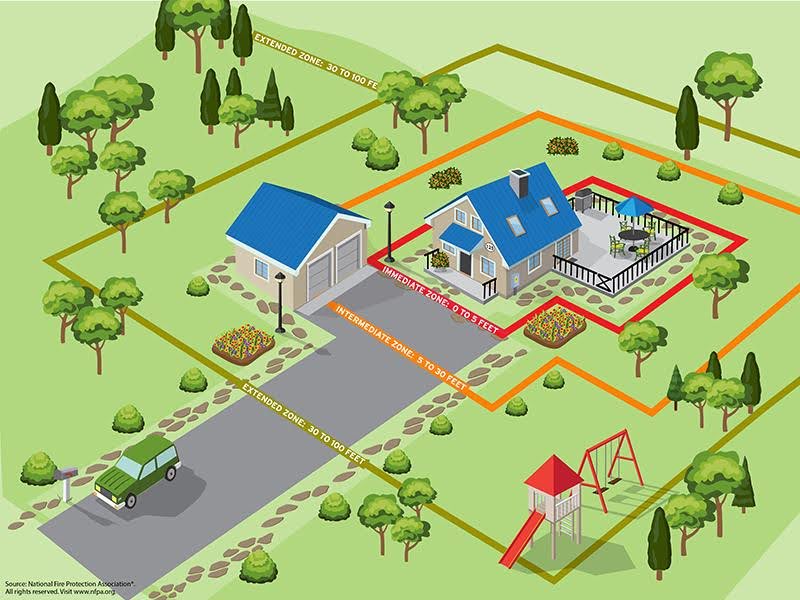
Maintaining a fire‑safe yet pollinator‑friendly landscape in the high desert climate of Los Alamos, NM is entirely achievable by combining smart design with timely upkeep. The first thing to consider is how the area around a home or structure is organized into appropriate fire‑protection zones. Within the first 5 feet (Zone 1), keep the space completely ember‑resistant by using non‑flammable materials such as rock mulch, pavers, or other hardscape surfaces. From 5 to 30 feet out (Zone 2), choose low‑profile, low‑flammability native plants and irrigate conservatively to prevent plants from drying out. Regular pruning and spacing between plants help reduce fire spread, and species with high oil or resin content should be avoided. In the area 30 to 100 feet away (Zone 3), where fire risk decreases, the landscape can support more abundant and diverse plantings, including grasses, shrubs, and flowering perennials. Many native species found on the Bee City recommended plant list are considered low to moderately flammable, making them suitable for the two outer zones.
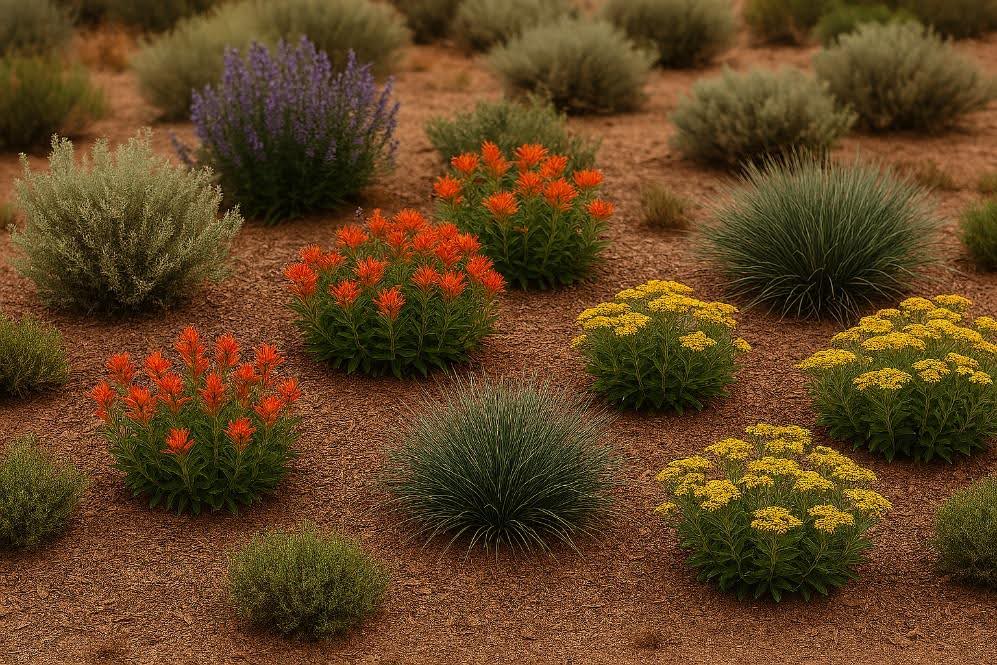
Landscape maintenance is essential for both fire protection and habitat sustainability and should be performed throughout the growing season when temperatures are consistently above 50 degrees F and pollinators are active. Dead stems on perennials should be removed in the spring once overwintering insects have emerged or in late fall before temperatures drop. Leaving some hollow stems and small piles of leaf litter or landscape debris in Zones 2 and 3 supports nesting bees and beneficial insects during the cold months. Microhabitats such as bare patches of soil, rock piles, or small brush piles can also be incorporated into Zones 2 and 3, where they do not increase fire risk. Dense grasses benefit from annual thinning, while shrubs should be pruned to maintain an open structure that reduces fuel loads. Irrigation should be deep and infrequent to build plant moisture, support bloom cycles, and align with native species’ natural preferences. Consider adding supplemental irrigation in winters with diminished snowfall.
Strategic plant placement is also key to integrating ecological value with fire safety. Plants with higher flammability, such as rabbitbrush, tall grasses, or dense perennials, should be located farther from structures. Maintaining adequate spacing between shrubs and perennials reduces fuel continuity, and removing ladder fuels or debris helps prevent the spread of fire from the ground into tree canopies. With thoughtful zoning, plant selection, and regular care, homeowners in Los Alamos can support healthy pollinator populations while significantly reducing wildfire vulnerability.
Angela Prada is the Los Alamos County Extension Horticulture and 4-H Agent. She helps local residents, families, and organizations make informed, practical decisions related to environmental stewardship and youth development through educational programs and shared research-based resources. Find out more about the Los Alamos County Extension Office here.